
HAZID and HAZOP Risk Assessments

HAZID and HAZOP risk assessments are structured techniques used to identify hazards, operability issues and potential system failures within complex industrial facilities and process-driven environments.
They are commonly applied where safety, reliability, maintainability and regulatory control are critical, particularly within manufacturing plants, utilities systems, cold storage operations and other infrastructure with complex operational interfaces.
Ambrey Baker supports HAZID and HAZOP studies for industrial and operational facilities by reviewing plant layouts, process arrangements, utilities infrastructure, system interfaces and operational activities to identify risks that may affect personnel safety, asset integrity, operational continuity or project delivery.
These assessments help clients understand how systems may deviate from intended operating conditions, what the consequences of those deviations may be, and what controls or design changes may be needed to reduce risk.
HAZID studies are typically used to identify high-level hazards at an early stage of design, planning or change management. HAZOP studies provide a more detailed and systematic review of how processes and systems may deviate from design intent. Together, these approaches provide a practical framework for examining abnormal conditions, foreseeable failures, unsafe interactions and operational vulnerabilities within complex facilities.
Where relevant, this work supports wider compliance activity under the Health and Safety at Work etc. Act 1974 and the Management of Health and Safety at Work Regulations 1999, which require employers to assess and manage risks arising from work activities. For process-led systems, studies may also be informed by recognised guidance and standards such as IEC 61882, the application guide for HAZOP studies.
Our assessments consider factors such as:
- Process and utility system deviations
- Failure of equipment, controls or containment
- Unsafe operating conditions and abnormal scenarios
- Interactions between plant, people and procedures
- Impacts on safety, product integrity, uptime and maintainability
- Opportunities for risk reduction, design improvement and stronger operational controls
The findings are documented in structured reports that record identified hazards, likely consequences, existing safeguards and recommended actions. This gives clients a clear basis for improving design robustness, strengthening operating procedures, supporting change management and reducing risk across the lifecycle of a facility or system.
With almost 40 years of experience across industrial, manufacturing and temperature-controlled environments, Ambrey Baker understands how to apply structured risk assessment within live operational settings. Our team works closely with clients, designers, engineers and operators to ensure that hazards are identified clearly, risks are assessed practically and recommendations are aligned with the realities of the site and the proposed operation.

LIFECYCLE SUPPORT
Leading Specialists in Industrial Facilities
From early-stage consultancy & design, to Hard FM, repair, refurbishment, reconfiguration, capital works & decommissioning. We support essential facilities that need to remain safe, compliant & operational throughout their working life
Related Case Studies
-

Supporting a Growing Brazilian Street Food Producer Into Its First Large-Scale Manufacturing Facility
Supporting a Growing Brazilian Street Food Producer Into Its First Large-Scale Manufacturing Facility Client: Confidential Duration: 6 Weeks Location: East Midlands Year:…
-
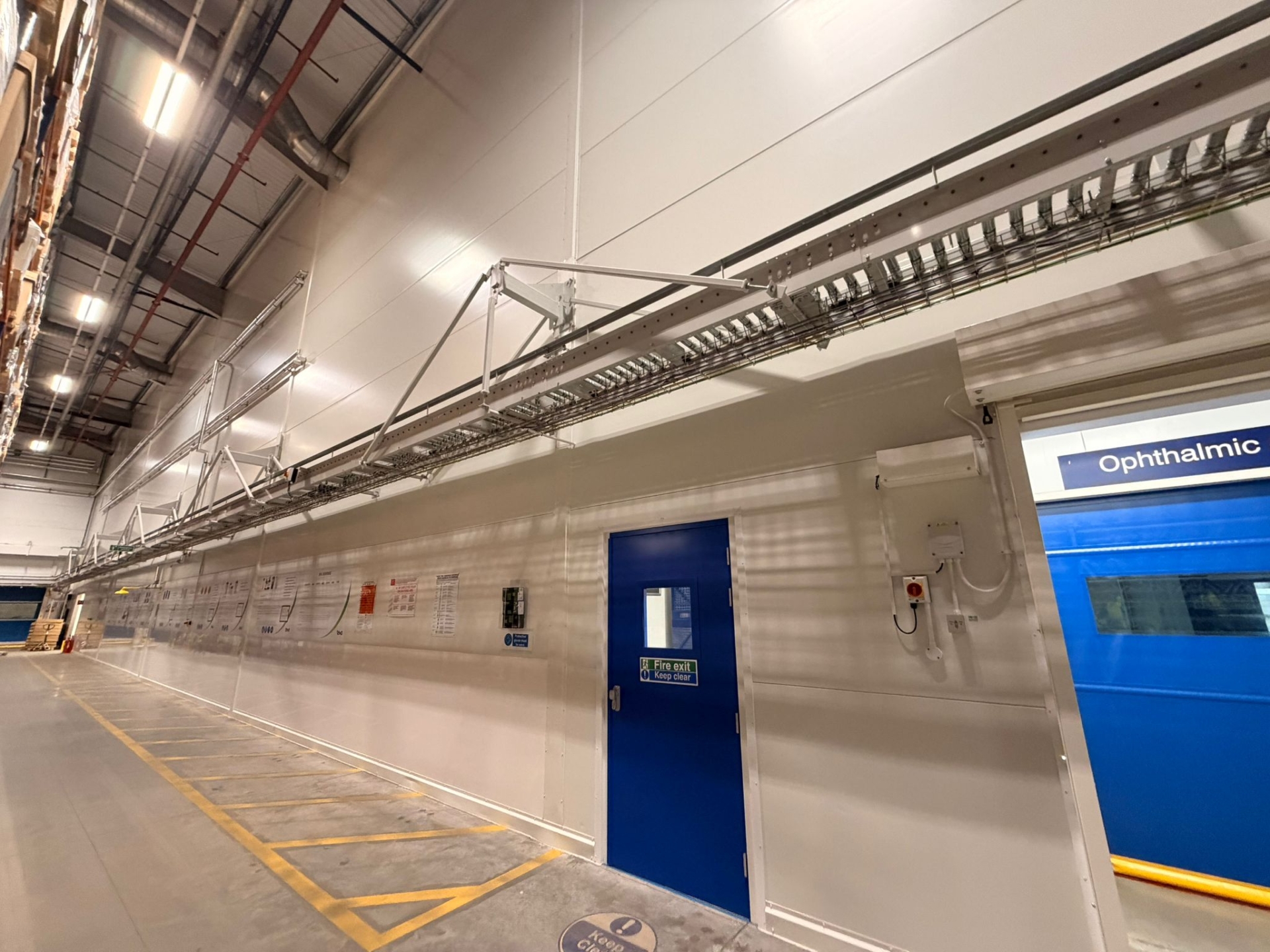
Executing Critical Fire Separation Works Within a Live Pharmaceuticals Facility
Executing Critical Fire Separation Works Within a Live Pharmaceuticals Facility Client: Confidential Duration: 4 Weeks Location: North West, UK Year: 2025 Value:…
-
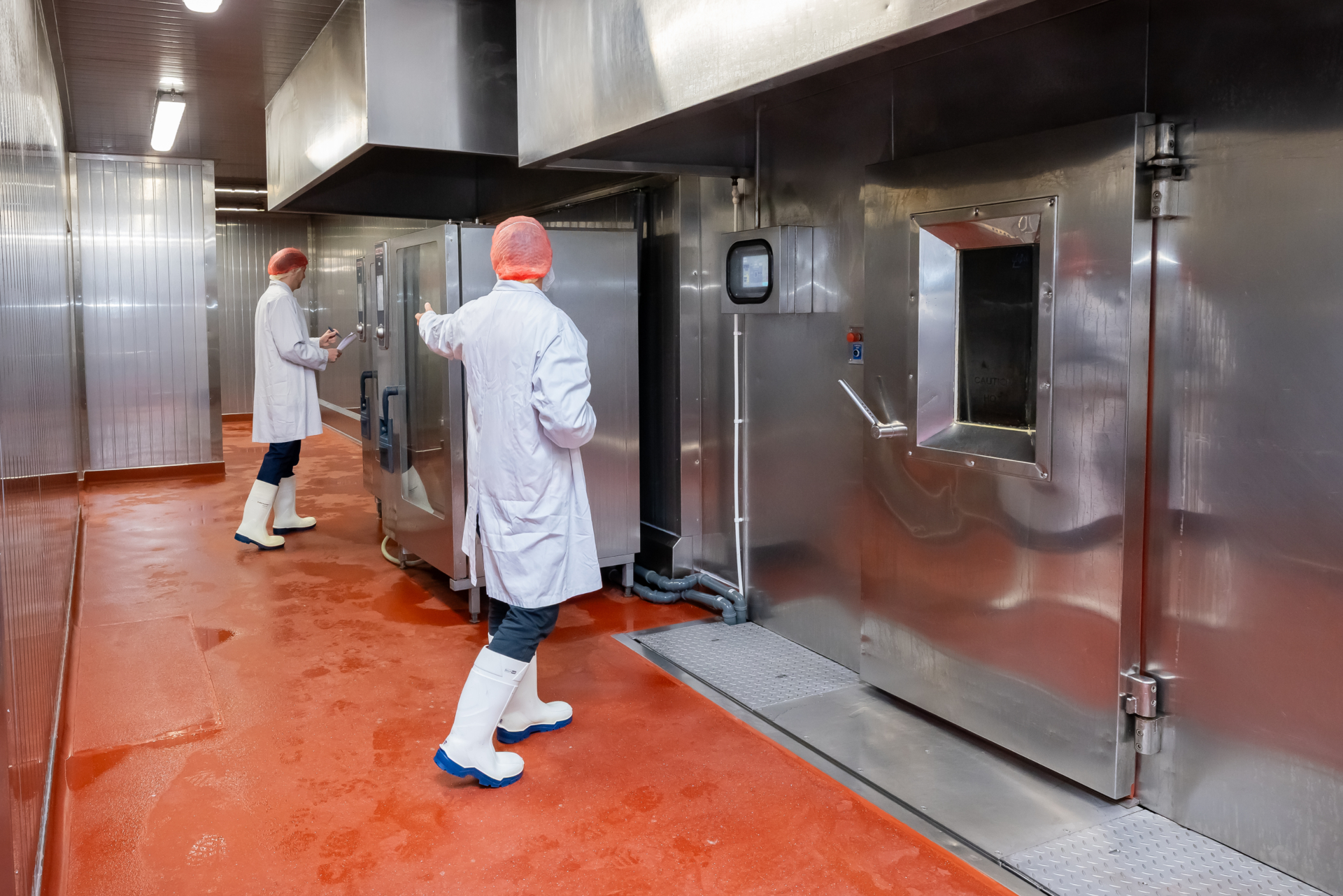
End-to-End Factory Fit Out for a Major Ingredients Producer
End-to-End Factory Fit Out for a Major Ingredients Produce Client: Confidential Duration: 22 Weeks Location: Holme Farm, Swineshead Year: 2025 Value: Undisclosed…