
CDM Principal Designer
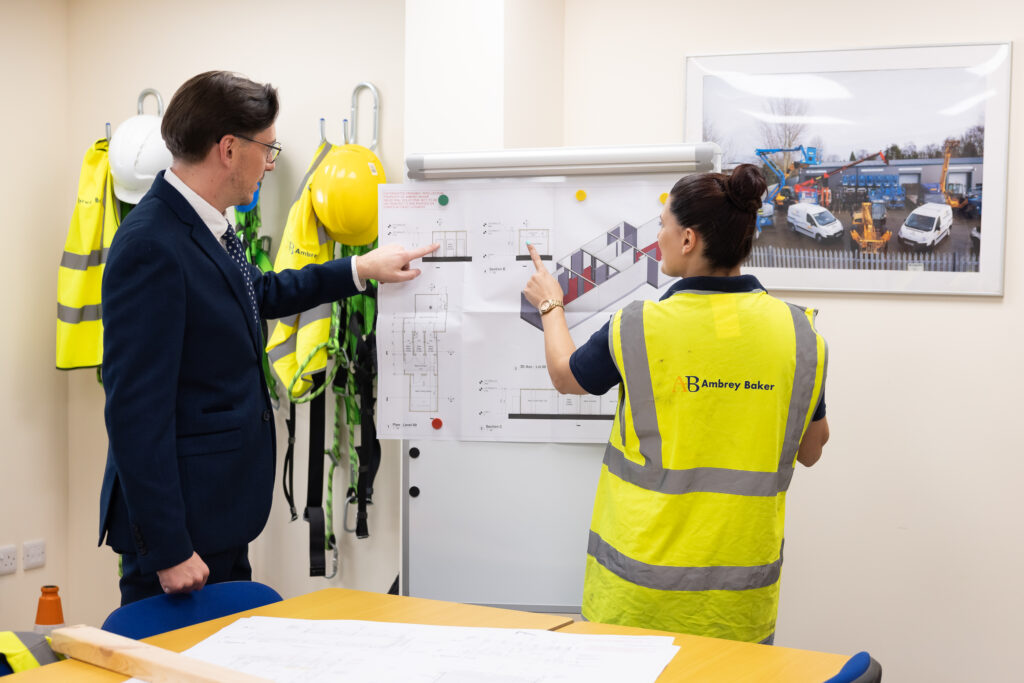
Under the Construction (Design and Management) Regulations 2015, a client must appoint a Principal Designer in writing where a project involves, or is likely to involve, more than one contractor.
The appointed organisation also needs the right skills, knowledge, experience and organisational capability to carry out the role, where relevant.
At Ambrey Baker, we act as CDM Principal Designer. As a result, this helps clients meet their legal duties and ensures health and safety is considered from the earliest design stages through to construction.
With almost 40 years of experience delivering projects in complex industrial environments, we understand how design decisions affect buildability, operational safety, and long-term maintenance.
Our Role as Principal Designer
The Principal Designer plans, manages, monitors and coordinates health and safety during the pre-construction phase.
This role also helps design teams consider foreseeable risks during design and that designers work together to eliminate hazards where possible.
Where design teams cannot eliminate risks, they must reduce or control them through design decisions and clearly communicated to those carrying out the work.
Our CDM Principal Designer service includes:
- planning, managing, monitoring, and coordinating health and safety during the pre-construction phase
- coordinating designers and supporting cooperation across the design team
- identifying and reviewing foreseeable risks relating to construction, maintenance, use, and future works
- communicating design risk information to the client, principal contractor and other duty holders
- assisting the client in assembling and providing pre-construction information
- preparing, reviewing, and updating the Health and Safety File where required
- liaising with the principal contractor and wider project team as the project develops
Our approach focuses on clear communication, coordinated design management, and practical risk control throughout the project lifecycle.
Early Appointment at Concept Stage
HSE guidance states that the Principal Designer should be appointed as early as possible in the design process and, where practicable, at concept stage. Early involvement helps teams address significant risks before they become embedded in the design. This supports better decisions around layout, structural configuration, construction sequencing, material selection, installation methods, and long-term access for inspection and maintenance.
Early coordination can reduce redesign, avoid delays, and limit hazards that might otherwise only be identified during construction.
Coordinating Safer Design
Design decisions affect how a building is constructed, used, cleaned, maintained, and later altered. In practice, our role helps design disciplines work together so that the team manages foreseeable risks throughout the design process.
Typical design risk reviews include:
- safe access for installation, inspection, and maintenance
- sequencing of construction works and buildability
- coordination between structure, cladding, services, and specialist systems
- identifying residual risks that must be communicated to contractors
- ensuring information is recorded for future alteration, repair, or refurbishment
This structured approach supports safer construction and safer long-term operation.
Supporting Clients with CDM Compliance
Clients hold defined duties under CDM 2015, and many organisations require specialist support to manage those duties effectively. Ambrey Baker supports clients by providing:
- clear advice on CDM duties and responsibilities
- structured design coordination and risk management
- support with assembling and issuing pre-construction information
- oversight of design risk management across disciplines
- preparation and maintenance of the Health and Safety File
This helps clients put the correct appointments in place and that health and safety management remains proportionate to the risks of the project.
Experience in Complex Operational Environments
Many projects take place within live operational facilities, where safety coordination must also account for ongoing production, hygiene requirements, restricted access, and specialist building systems.
Our experience includes:
- food manufacturing and BRCGS-regulated facilities
- temperature-controlled warehouses and cold storage
- distribution centres and logistics hubs
- operational industrial environments
This experience supports practical CDM coordination where design decisions must take account of operations, services integration, access, and future maintenance.
Practical, Project-Led CDM Support
Our CDM Principal Designer service is grounded in real construction and project delivery experience. We focus on coordinated design management, practical risk identification, and clear communication across the project team. Clients rely on Ambrey Baker to support CDM compliance, safer design coordination, and structured pre-construction management across complex industrial projects.
LIFECYCLE SUPPORT
Leading Specialists in Industrial Facilities
From early-stage consultancy & design, to Hard FM, repair, refurbishment, reconfiguration, capital works & decommissioning. We support essential facilities that need to remain safe, compliant & operational throughout their working life
Related Case Studies
-

Supporting a Growing Brazilian Street Food Producer Into Its First Large-Scale Manufacturing Facility
Supporting a Growing Brazilian Street Food Producer Into Its First Large-Scale Manufacturing Facility Client: Confidential Duration: 6 Weeks Location: East Midlands Year:…
-
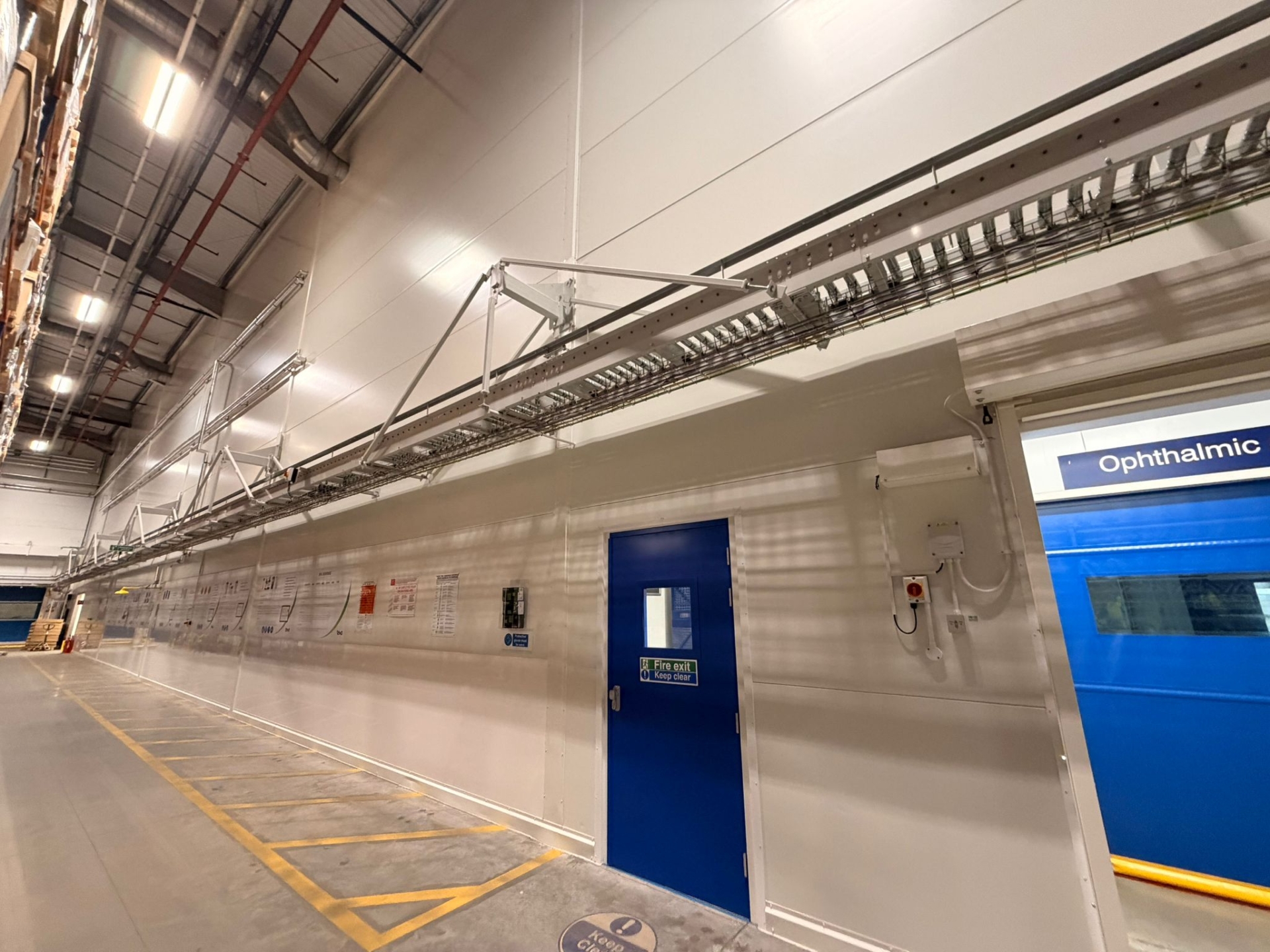
Executing Critical Fire Separation Works Within a Live Pharmaceuticals Facility
Executing Critical Fire Separation Works Within a Live Pharmaceuticals Facility Client: Confidential Duration: 4 Weeks Location: North West, UK Year: 2025 Value:…
-
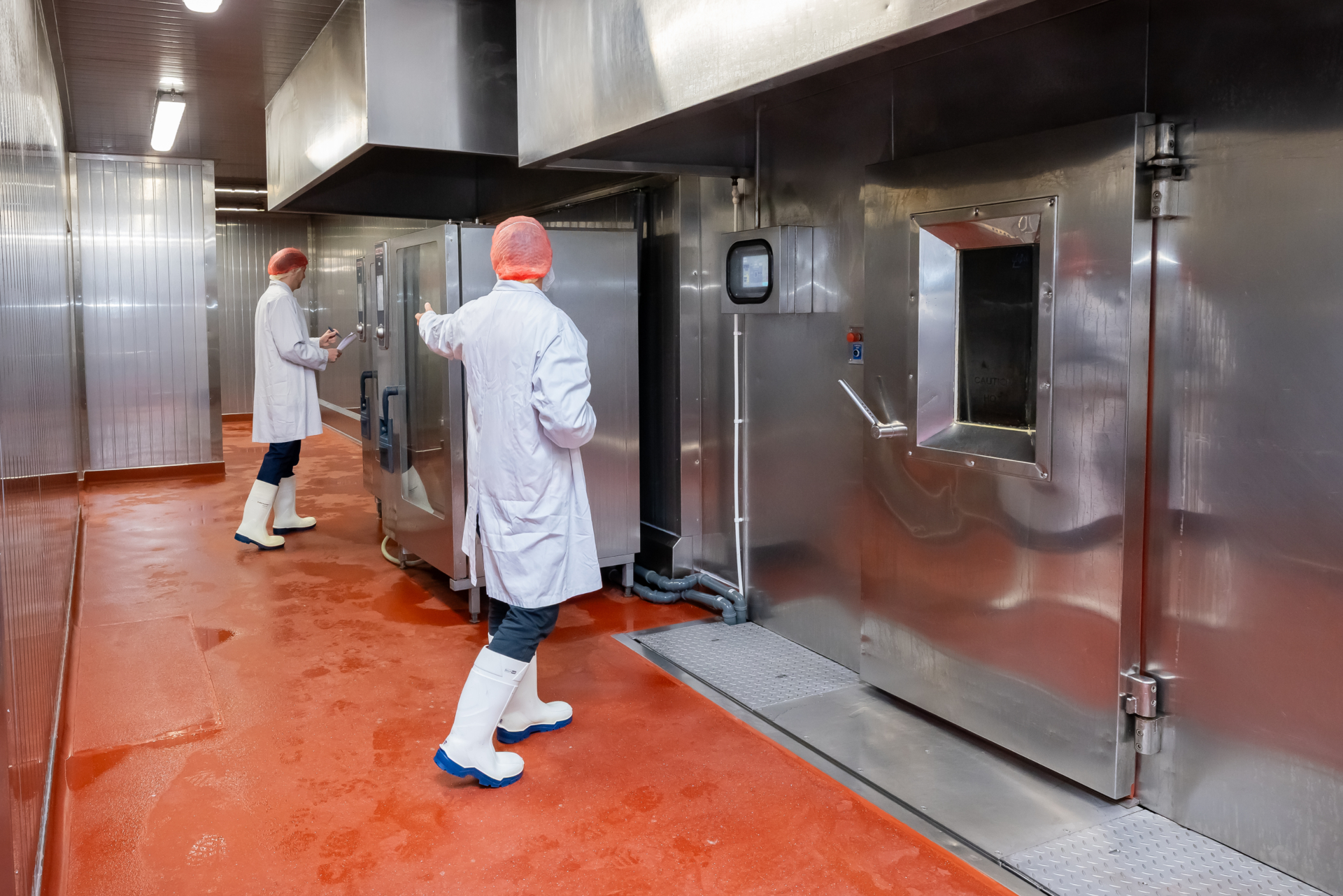
End-to-End Factory Fit Out for a Major Ingredients Producer
End-to-End Factory Fit Out for a Major Ingredients Produce Client: Confidential Duration: 22 Weeks Location: Holme Farm, Swineshead Year: 2025 Value: Undisclosed…