Drainage
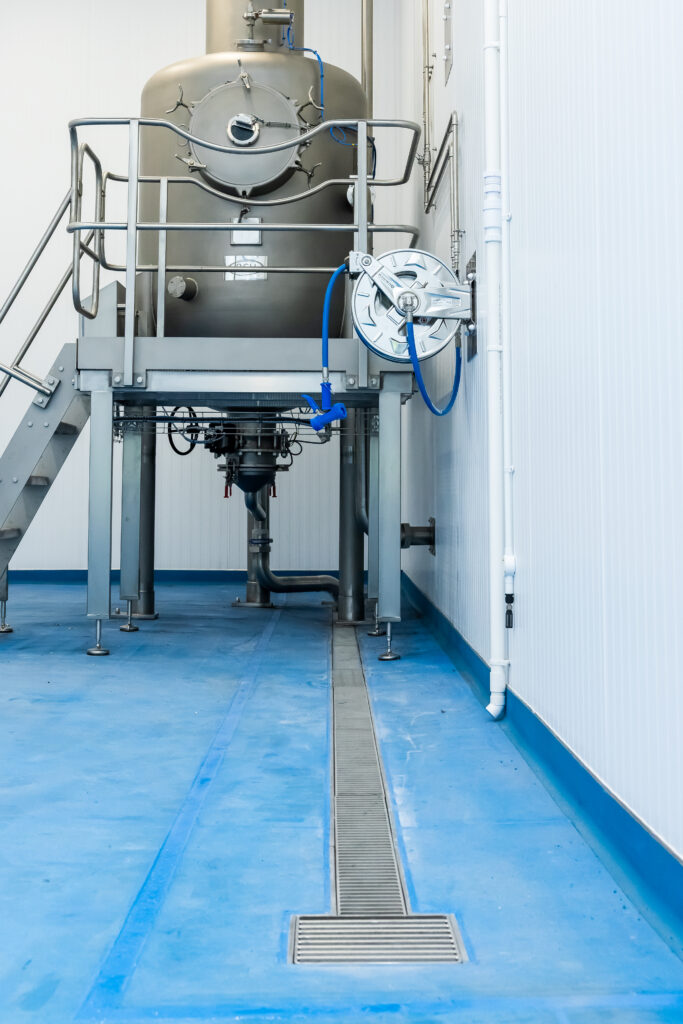
Industrial sites rely on well-designed systems to protect buildings and maintain safe working conditions.
Ambrey Baker designs and constructs drainage infrastructure that supports the operational demands of industrial, logistics and food manufacturing environments.
With almost 40 years of experience working in complex industrial facilities, our team understands how poorly performing systems can affect production, site safety and regulatory compliance.
Our designs are developed to manage both surface water and foul drainage while addressing relevant UK legislative, environmental and planning requirements.
This may include the Flood and Water Management Act 2010, the Water Industry Act 1991, planning-related flood risk guidance, and sustainable drainage requirements relevant to the scheme. Sustainable drainage proposals are developed with reference to recognised technical guidance, including the CIRIA SuDS Manual C753 and current UK national standards for SuDS where applicable.
Surface Water and Sustainable Drainage
Effective surface water management is essential on industrial sites where large roof areas and hardstanding can generate significant runoff during heavy rainfall. Ambrey Baker designs drainage systems that safely collect, store and discharge surface water while protecting surrounding infrastructure and supporting planning compliance.
Our solutions typically include:
- attenuation tanks and storage systems to regulate discharge rates
- sustainable drainage systems such as swales, permeable surfaces and infiltration features
- underground networks designed for heavy-duty industrial loading
- separation of surface water and foul systems
- connection management to public sewers or controlled outfalls
Many of our projects involve facilities where large yard areas, loading bays and vehicle circulation routes generate substantial runoff volumes. Our team designs infrastructure to cope with these conditions while meeting site-specific discharge requirements and planning expectations.
Drainage for Food and Industrial Facilities
Requirements within food production, pharmaceutical and advanced manufacturing facilities often require additional design consideration. Hygiene standards, washdown processes and water management systems must operate without compromising compliance, cleanliness or operational safety.
Ambrey Baker regularly delivers drainage solutions within regulated environments where effective water management forms part of good sanitary design and day-to-day operational control. This may include measures supporting compliance with the Food Safety Act 1990 and the Food Hygiene (England) Regulations 2013 in relevant processing environments.
- internal process systems for washdown areas
- hygienic channels and trapped gullies
- yard systems designed for HGV traffic and heavy loading
- interceptor systems for contaminated runoff
- system upgrades as part of food factory refurbishments
These systems support hygiene management while maintaining the operational performance required in production environments.

Planning, Compliance and Delivery
Site infrastructure is often closely examined during the planning process, particularly where flood risk, discharge control or environmental impact are relevant. Ambrey Baker supports clients through this process by preparing surface water strategies and technical submissions for planning authorities and design teams.
Our team regularly prepares:
- site impact assessments
- surface water management strategies
- flood risk mitigation proposals
- infrastructure coordination with utilities and site levels
We work alongside civil engineers, planners and environmental consultants to ensure that drainage proposals satisfy regulatory requirements and remain practical to construct, inspect and maintain.olled environments, loading bay details may also need to support hygiene, cleanability and audit expectations, including BRCGS requirements where relevant to the facility.
Reliable Drainage Solutions for Industrial Projects
Drainage failures can result in operational disruption, asset damage and regulatory action. Ambrey Baker approaches every drainage scheme with careful engineering analysis and practical construction knowledge.
Our team designs and delivers drainage systems that protect buildings, support site operations and meet relevant planning, environmental and operational requirements. Whether delivering drainage for a new industrial development or upgrading infrastructure within an existing facility, we provide practical and compliant solutions for demanding industrial sites.
LIFECYCLE SUPPORT
Leading Specialists in Industrial Facilities
From early-stage consultancy & design, to Hard FM, repair, refurbishment, reconfiguration, capital works & decommissioning. We support essential facilities that need to remain safe, compliant & operational throughout their working life
Related Case Studies
-

Supporting a Growing Brazilian Street Food Producer Into Its First Large-Scale Manufacturing Facility
Supporting a Growing Brazilian Street Food Producer Into Its First Large-Scale Manufacturing Facility Client: Confidential Duration: 6 Weeks Location: East Midlands Year:…
-
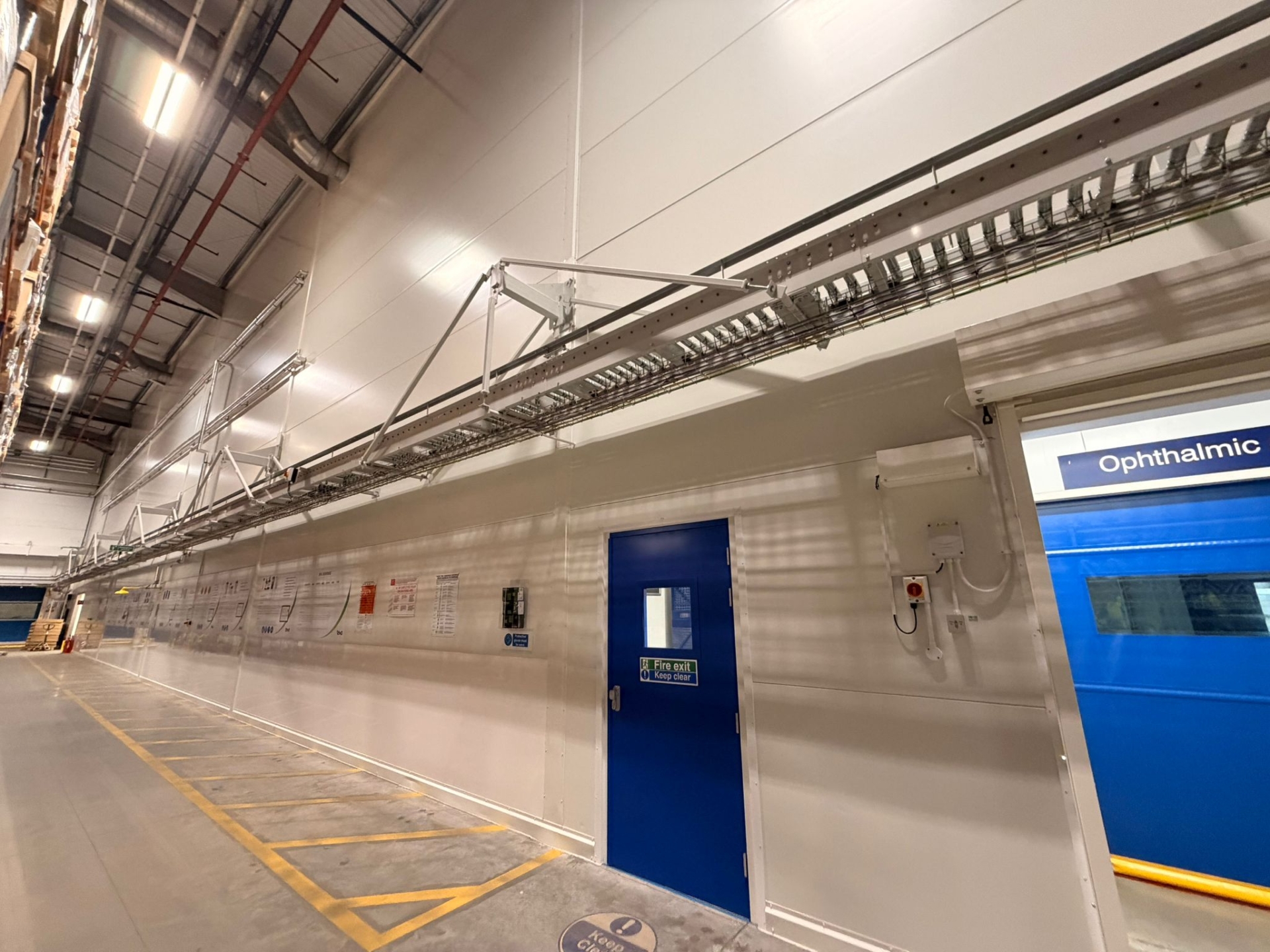
Executing Critical Fire Separation Works Within a Live Pharmaceuticals Facility
Executing Critical Fire Separation Works Within a Live Pharmaceuticals Facility Client: Confidential Duration: 4 Weeks Location: North West, UK Year: 2025 Value:…
-
End-to-End Factory Fit Out for a Major Ingredients Producer
End-to-End Factory Fit Out for a Major Ingredients Produce Client: Confidential Duration: 22 Weeks Location: Holme Farm, Swineshead Year: 2025 Value: Undisclosed…