
Loading Bays
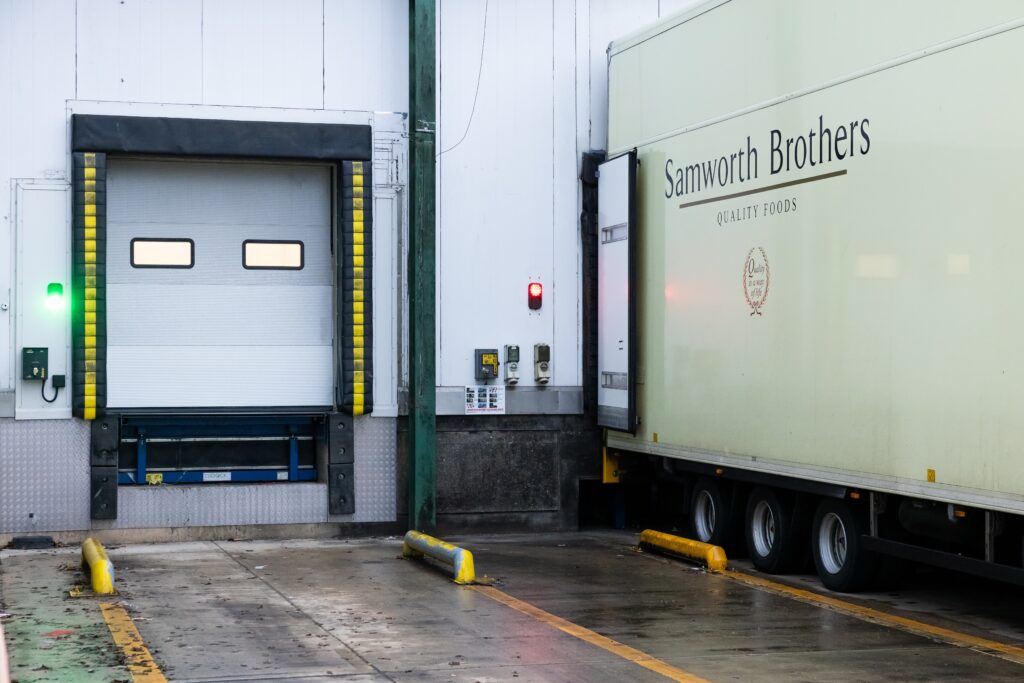
Loading bays connect a facility to the wider logistics network. They also support safe and efficient goods transfer between vehicles and buildings.
This is often within high-throughput environments with daily use. At Ambrey Baker, we design and construct loading bay infrastructure for industrial facilities, distribution centres, food production sites and cold chain operations across the UK.
With almost 40 years of experience working within operational industrial environments, our team understands the engineering, safety and operational requirements that loading infrastructure must meet. We deliver practical, robust solutions that support efficient vehicle movements, safe working practices and long-term performance.
Built for Demanding Industrial Environments
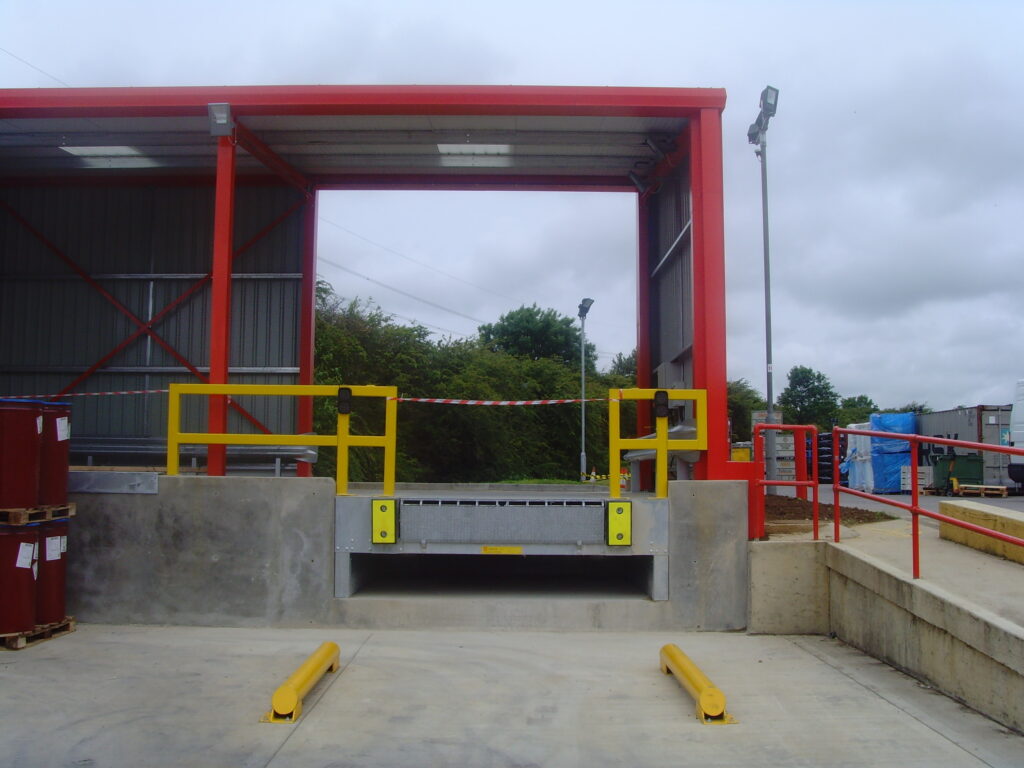
Loading bays handle constant heavy vehicle traffic, repeated docking cycles and intensive daily use. Our designs focus on structural durability, safe operation and ease of maintenance. Works typically include reinforced concrete dock structures, heavy-duty external yard interfaces, dock leveller pits, dock shelters, loading canopies and integrated drainage systems.
Temperature-controlled supply chains often require additional detailing. In food manufacturing and cold storage environments, loading bays must help limit temperature loss during loading operations. Insulated dock shelters, sealed dock levellers and carefully detailed interfaces can help maintain internal environmental conditions while vehicles are docked.
Our experience across food processing, cold chain logistics, ports and industrial manufacturing allows us to deliver loading bay environments that perform reliably in demanding settings.
Integration with Warehouse and Yard Infrastructure
Loading bays must work as part of a wider operational layout. They need to integrate with HGV yards, warehouse floor levels, vehicle circulation routes and material handling systems.
Our team works closely with clients, equipment suppliers and designers to ensure that loading infrastructure supports efficient movement and safe operation across the full site.
Key considerations include vehicle approach geometry, trailer docking clearances, internal floor level coordination and pedestrian segregation.
We also coordinate with dock levellers, scissor lifts and handling equipment so that systems operate safely and efficiently.
Where projects are delivered within live facilities, our teams plan works carefully to maintain operational continuity during construction.
Compliance with UK Regulations and Industry Standards
Loading bay design and construction must satisfy a range of regulatory and safety requirements. Relevant UK legislation and recognised technical standards inform our approach, including:
- Health and Safety Executive guidance on workplace transport, loading operations and vehicle-pedestrian segregation
- The Workplace (Health, Safety and Welfare) Regulations 1992, including requirements for suitable traffic routes
- The Construction (Design and Management) Regulations 2015 for design coordination and safe project delivery
- Relevant concrete and structural design standards, including BS 8500 and BS EN 1992, where applicable to the works
For food production and temperature-controlled environments, loading bay details may also need to support hygiene, cleanability and audit expectations, including BRCGS requirements where relevant to the facility.
Practical Delivery in Live Industrial Facilities
Loading bay works often require coordination between multiple trades and specialist suppliers, including dock leveller manufacturers, steel fabricators, cladding contractors and drainage specialists. Our industrial project experience allows us to manage these interfaces efficiently and maintain programme control.
Many installations take place in operational facilities. In these settings, downtime is limited or unacceptable. Our teams plan phasing, access arrangements and temporary works carefully so that production and logistics activities can continue safely during construction.
Supporting Efficient Logistics Operations
A well-designed loading bay improves vehicle turnaround. It also protects the building envelope and enhances safety for staff and drivers. Structural durability, effective drainage and correctly integrated equipment can reduce maintenance demands while supporting reliable daily use.
Ambrey Baker provides loading bay construction and refurbishment solutions focused on practical engineering, safe delivery and infrastructure that supports efficient logistics operations over the long term.
LIFECYCLE SUPPORT
Leading Specialists in Industrial Facilities
From early-stage consultancy & design, to Hard FM, repair, refurbishment, reconfiguration, capital works & decommissioning. We support essential facilities that need to remain safe, compliant & operational throughout their working life
Related Case Studies
-

Supporting a Growing Brazilian Street Food Producer Into Its First Large-Scale Manufacturing Facility
Supporting a Growing Brazilian Street Food Producer Into Its First Large-Scale Manufacturing Facility Client: Confidential Duration: 6 Weeks Location: East Midlands Year:…
-
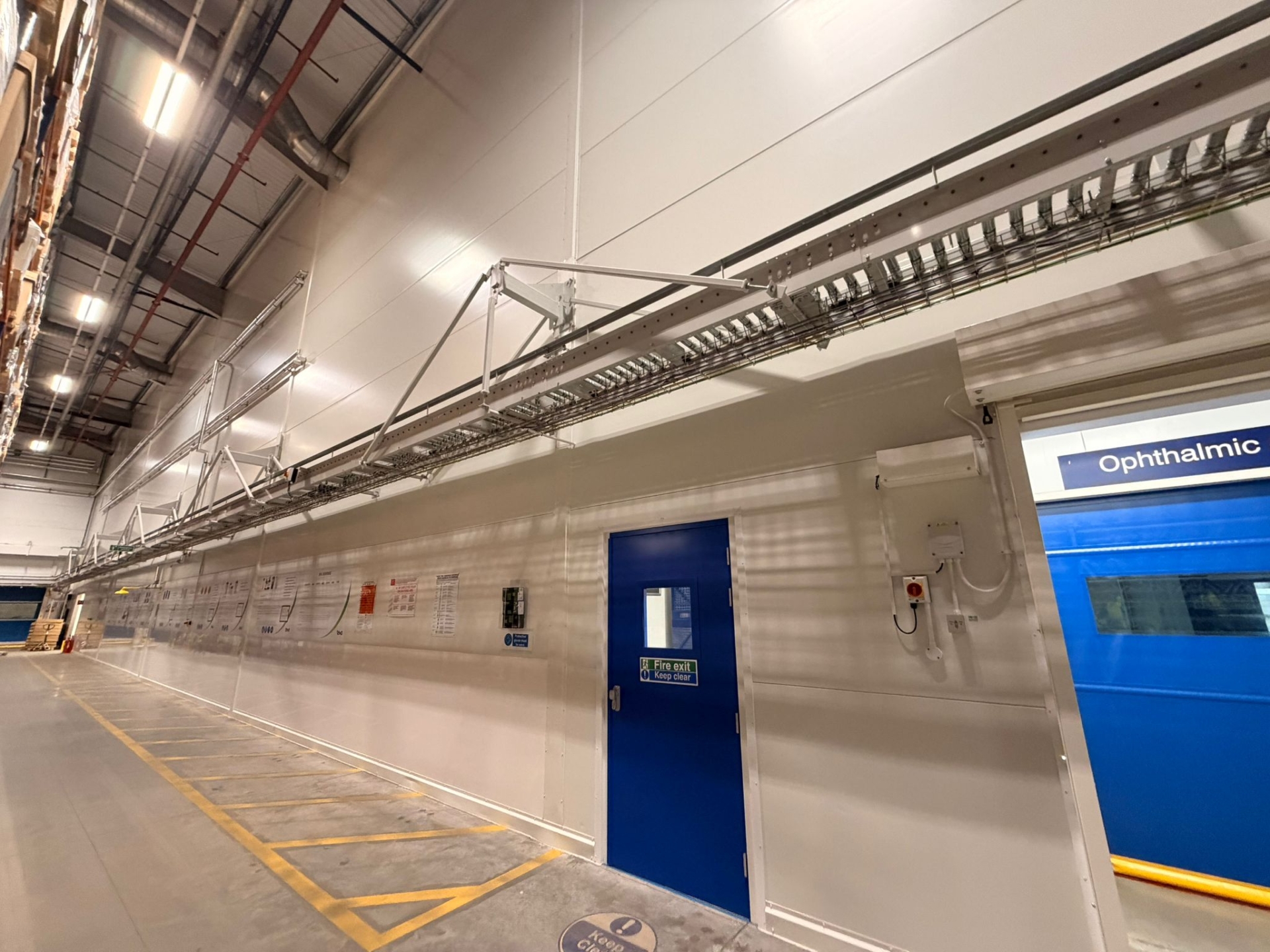
Executing Critical Fire Separation Works Within a Live Pharmaceuticals Facility
Executing Critical Fire Separation Works Within a Live Pharmaceuticals Facility Client: Confidential Duration: 4 Weeks Location: North West, UK Year: 2025 Value:…
-
End-to-End Factory Fit Out for a Major Ingredients Producer
End-to-End Factory Fit Out for a Major Ingredients Produce Client: Confidential Duration: 22 Weeks Location: Holme Farm, Swineshead Year: 2025 Value: Undisclosed…