Can Your Factory Deliver What Your Commercial Team Has Sold?
The engineering questions that should be answered before demand becomes a production problem. For food-sector project and engineering teams, product scale-up begins with a practical question: can the proposed process manufacture the product safely, consistently and at the required volume within the available facility?
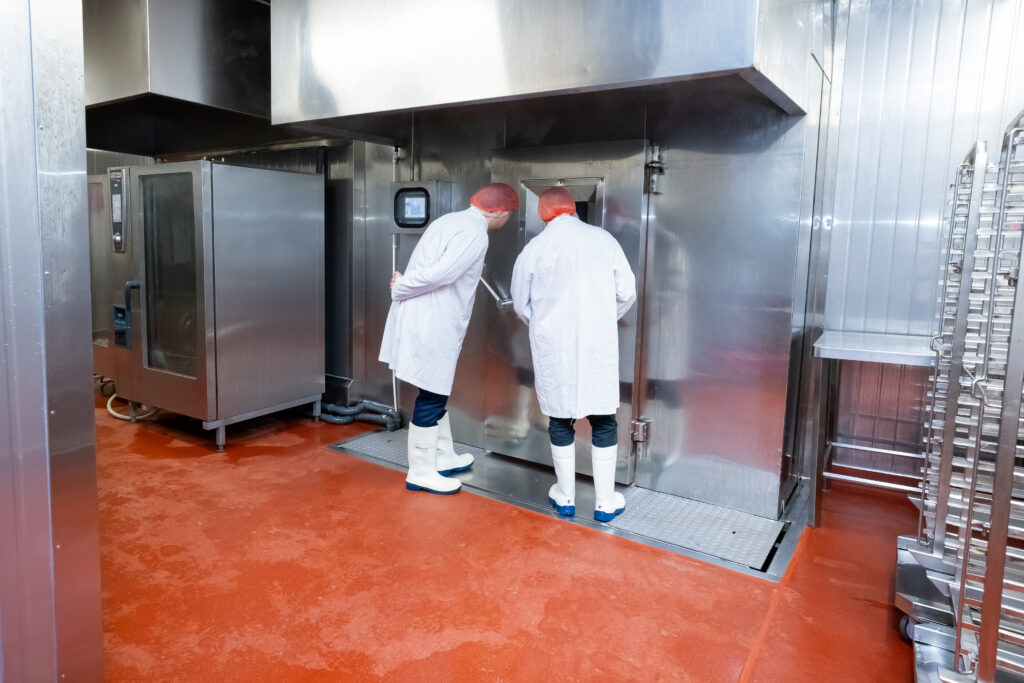
The answer should be established before equipment is selected. Early engineering work needs to define the product characteristics, batch size, process times, yields, losses, temperature limits, cleaning requirements, allergen controls, packaging format and expected production volumes. These parameters form the design basis for the line, utilities and building modifications.
A detailed process flow should then follow ingredients from intake to despatch, including preparation, processing, intermediate storage, transfers, packaging, rework, cleaning and waste. Material, personnel and waste routes should be reviewed separately because each places different demands on the facility.
Food safety must develop alongside the engineering design. Article 5 of assimilated Regulation (EC) 852/2004 requires food businesses to “put in place, implement and maintain a permanent procedure or procedures based on the HACCP principles”. The Food Standards Agency also states that the design, layout and structure of food premises should be adequate to permit good hygienic practices.
This means that hygiene zoning, allergen segregation, cleaning access, drainage, air movement and raw-to-ready-to-eat separation need to be resolved during layout development. Controls added after equipment installation are usually less effective and more expensive.
Capacity calculations should reflect the complete production cycle. A machine’s headline speed says little about effective factory output once loading, heating, cooling, transfers, quality checks, changeovers, cleaning, maintenance and packaging stoppages are included. Every stage should be mapped to identify bottlenecks and determine whether buffers are needed between processes.
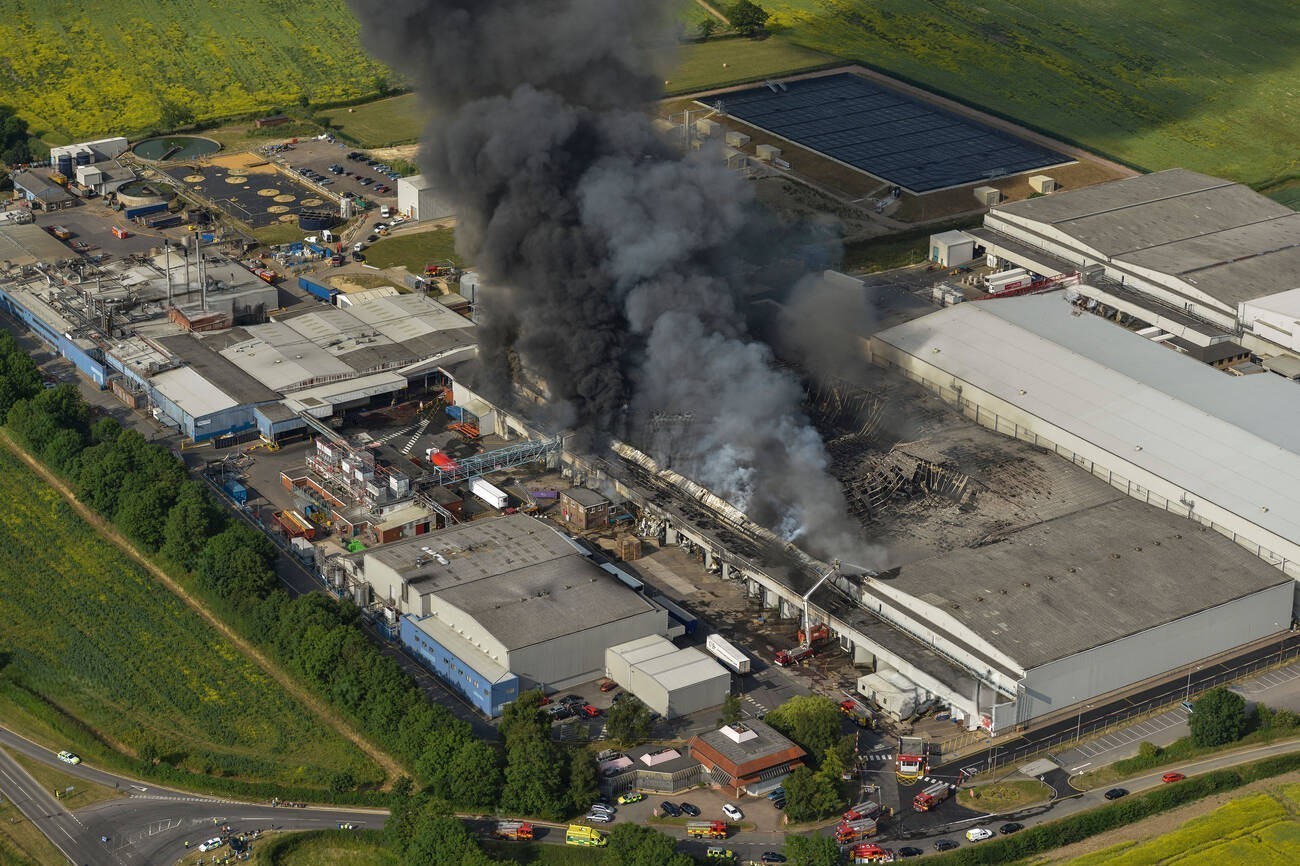
The 2019 launch of Greggs’ vegan sausage roll provides a useful UK example. Demand quickly exceeded the available stock held at the company’s Newcastle factory, forcing Greggs to increase production. The launch went on to support exceptionally strong sales, although the initial shortage showed how quickly a successful commercial response can expose manufacturing capacity assumptions.
The lesson for engineering teams is clear. Scale-up plans should test launch, expected and upper-demand scenarios. Each scenario should consider line capacity, labour, storage, cleaning frequency, raw-material availability and utility demand. The process may run at the required speed while the site lacks sufficient refrigeration, steam, compressed air, drainage or electrical capacity to support it.
Equipment selection should follow this analysis. The specification needs to cover throughput, hygienic design, product-contact materials, cleanability, control philosophy, maintenance access, utility consumption and integration with existing systems. Responsibility for pipework, platforms, guarding, controls, drainage and software interfaces should also be defined before contracts are placed.
Commissioning should verify the complete manufacturing system rather than individual machines. Trials should measure throughput, yield, waste, temperatures, hold times, changeover duration, cleaning performance and labour requirements. Acceptance should be based on sustained production under realistic conditions.
A strong scale-up plan connects product development with process design, facility capability and future demand. It gives project and engineering teams a defined basis for capital decisions and reduces the risk of launching a product that the factory cannot manufacture dependably.
LIFECYCLE SUPPORT
Leading Specialists in Industrial Facilities
From early-stage consultancy & design, to Hard FM, repair, refurbishment, reconfiguration, capital works & decommissioning. We support essential facilities that need to remain safe, compliant & operational throughout their working life