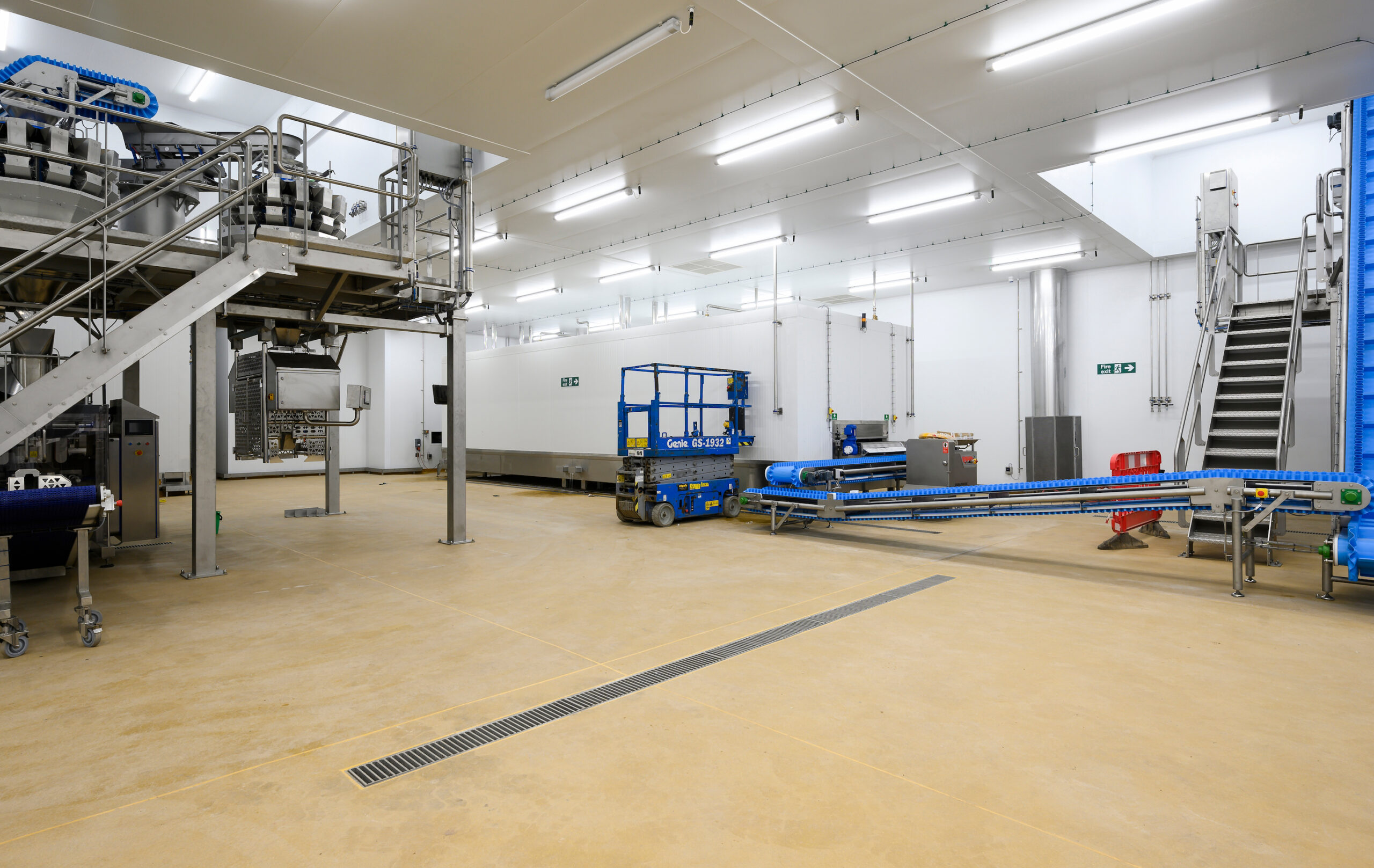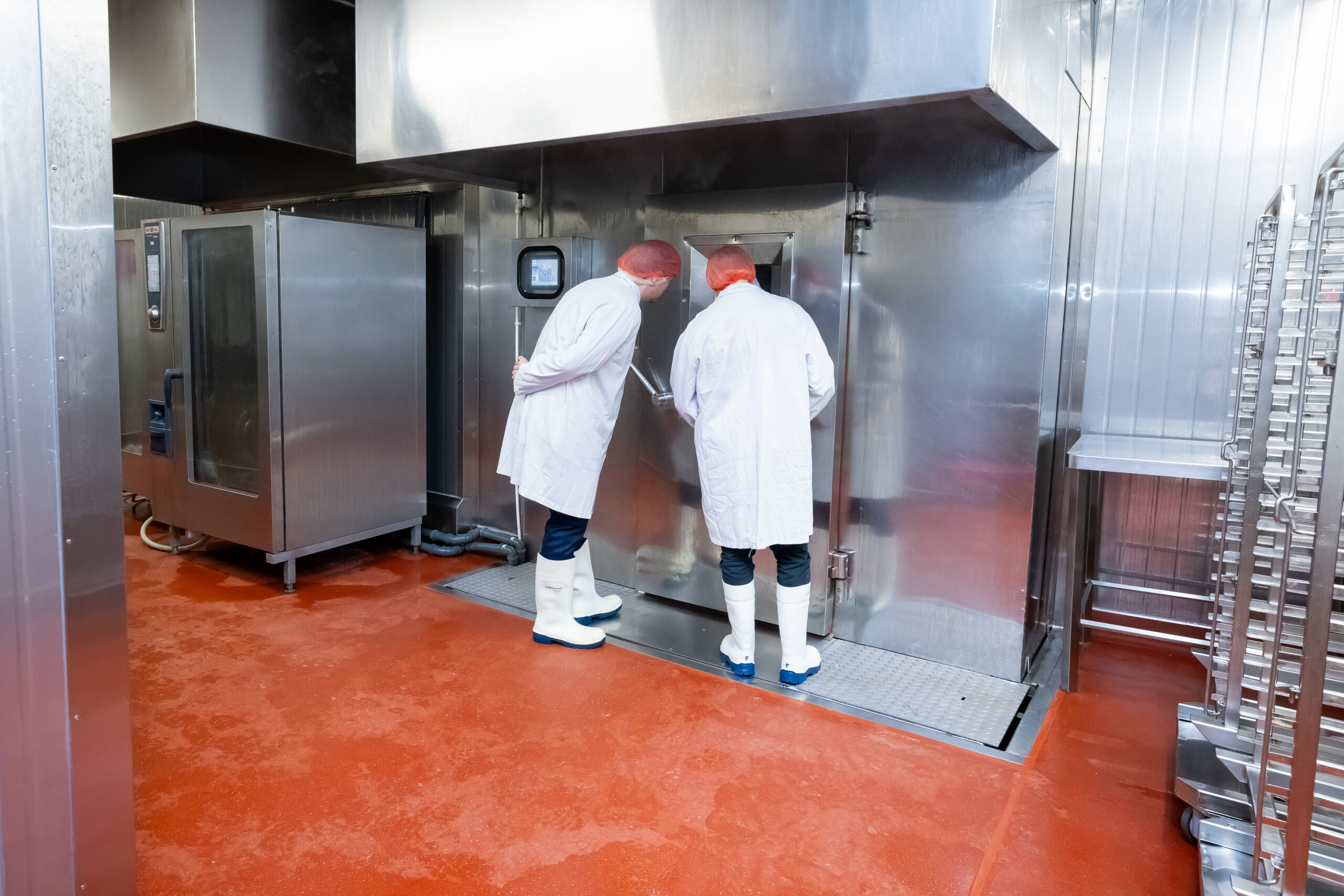
The Panel Core Problem: Why Legacy EPS Still Deserves Board-Level Attention
For boards responsible for ageing industrial estates, legacy EPS belongs alongside other known asset risks that require evidence, ownership and a funded response. The first question is basic: do we know where it is?
The second is more important: if we do know, why are we still accepting it?
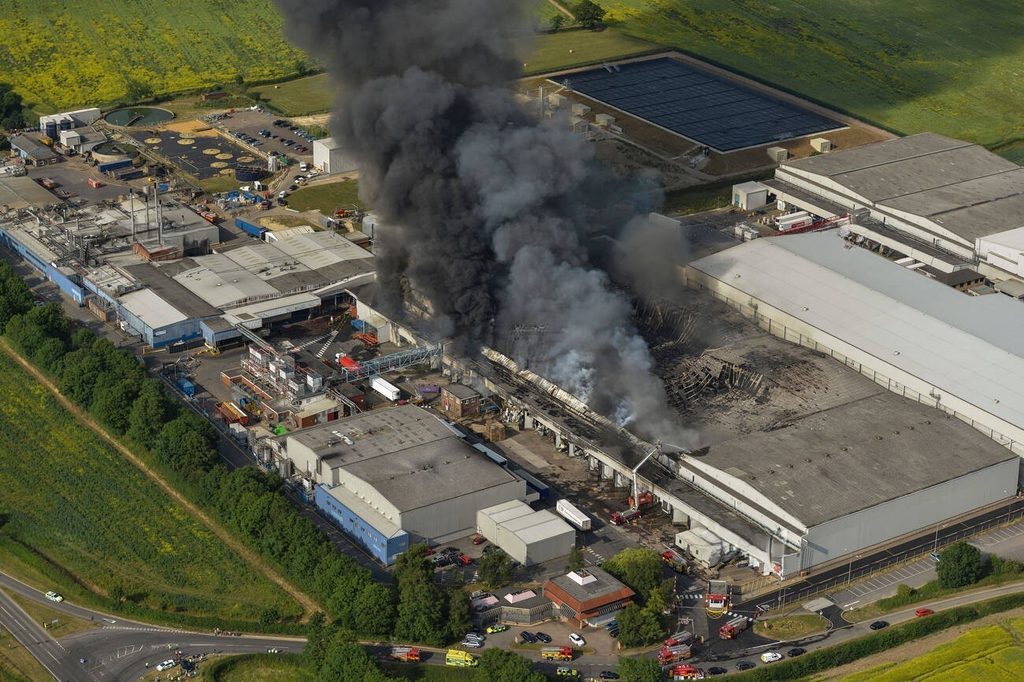
Legacy expanded polystyrene, EPS, panels remain across older factories, cold stores and industrial buildings. The board-level issue is whether the business knows where they are, understands the fire performance of the installed construction and has consciously accepted the residual risk.
For many sites, identification is the first problem.
Government fire-safety guidance for factories and warehouses states that, once insulated panels have been installed, “it is difficult to identify the core material of a panel and its potential fire hazard.” This is particularly relevant in the food sector, where insulated-core panels have been extensively used.
That creates an asset-information problem. Sites are extended, subdivided and repaired over decades. Drawings, certification and actual construction can easily diverge. The original review already identified missing documentation as a source of uncertainty around fire performance and refurbishment.
Where EPS is identified, the technical position deserves closer scrutiny.
HSE identifies EPS, PIR, PUR and XPS as combustible insulation materials. It also notes that systems containing polystyrene can “far more readily propagate a fire” than systems using PIR, PUR or phenolic insulation in comparable cladding applications.
That distinction is one reason modern PIR sandwich-panel systems are now widely considered for replacement programmes.
PIR still has to be treated as a complete system rather than a simple core substitution. Its performance depends on the tested panel construction, including facings, joints, fixings, orientation and detailing. LPS 1181 makes this explicit by stating that fire-growth performance relates “only to the combination tested.”
For boards approving capital expenditure, the relevant question is therefore wider than whether the replacement panel contains PIR. The business should be able to establish which tested system is being installed, whether the proposed configuration falls within its approval and how interfaces and penetrations will be managed.
The regulatory position also continues to move towards clearer evidence. Since 2 March 2025, Approved Document B in England has removed references to BS 476 for reaction-to-fire and roof classifications, leaving the European classification route within the guidance.
A sensible estate-wide review should therefore map known EPS, identify uncertain areas, record damage and exposed core, assess service penetrations and compare the installed construction against the current fire strategy. The output should be a risk-based capital plan, with PIR replacement prioritised where it provides the greatest reduction in exposure.

LIFECYCLE SUPPORT
Leading Specialists in Industrial Facilities
From early-stage consultancy & design, to Hard FM, repair, refurbishment, reconfiguration, capital works & decommissioning. We support essential facilities that need to remain safe, compliant & operational throughout their working life