What’s the Best Drainage System for a Factory?
A factory drainage system plays an essential role in keeping production areas safe, clean, and efficient. Every facility handles water differently, from routine floor cleaning to large-scale manufacturing processes. Therefore, choosing the right drainage system depends on wastewater volume, production activities, and floor layout.
Poor drainage can leave standing water on factory floors, increasing the risk of slips and disrupting daily operations. According to the UK’s Health and Safety Executive (HSE), slips, trips and falls on the same level are the most common type of non-fatal workplace injury reported by employers under RIDDOR in Great Britain. The HSE also highlights wet and contaminated floors as major slip hazards. Therefore, effective drainage plays an important role in maintaining safer working conditions.
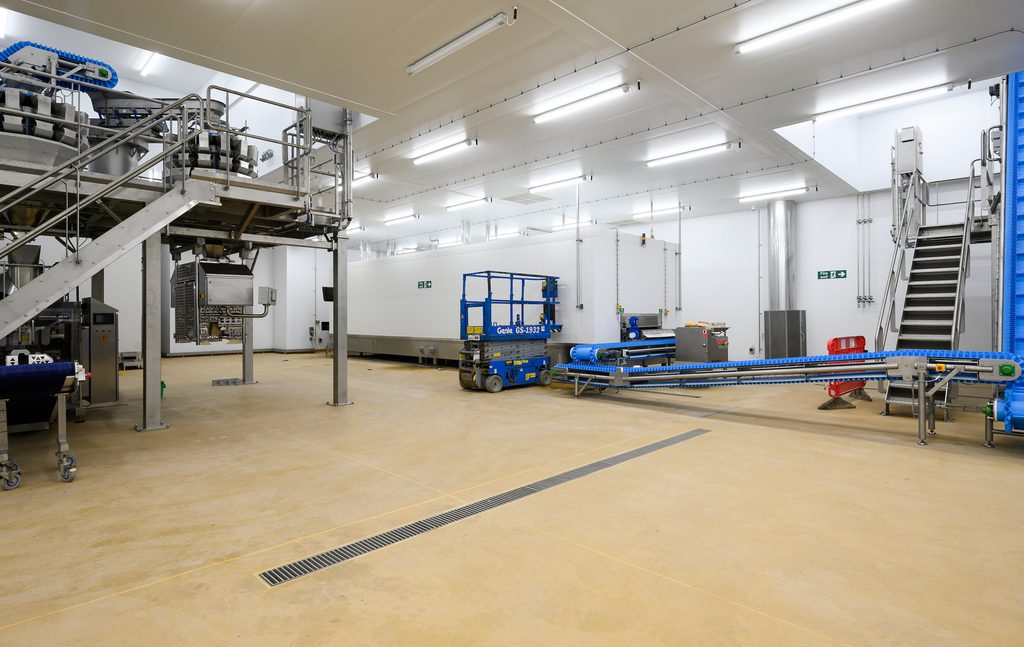
For factories that handle large volumes of wastewater, trench drainage systems are often a practical choice. These systems use long channels to collect water across wide floor areas. They work particularly well in food processing plants, production lines, and facilities that require frequent washdowns. Additionally, removable grates allow maintenance teams to access channels and clear debris.
Food and beverage factories primarily use stainless steel drainage systems to meet demanding cleaning and hygiene requirements. Stainless steel offers durability and corrosion resistance when the correct grade is selected. The drainage design also matters, including smooth internal surfaces, accessible components and areas where food waste or other debris could collect.
Another option is slot drainage, which collects water through narrow openings along the floor. Its discreet design suits factories that want fewer exposed grates in production areas. However, access for cleaning remains important, particularly where production debris could enter the channels.
Meanwhile, smaller areas may benefit from point drainage systems. These collect water at specific locations rather than across an entire floor. They work well in utility rooms, equipment washing stations, and spaces with limited wastewater flow. However, the floor must slope towards the outlet to prevent water from collecting elsewhere.
Factories with heavy machinery need drainage systems designed for the expected traffic. Forklifts, delivery vehicles and industrial equipment can place substantial loads on channels and covers. Warehouses, loading bays and automotive plants may therefore require heavy-duty drainage. Channels and covers should be selected according to expected wheel loads, traffic conditions and installation requirements.
Factories also need to consider what their wastewater contains. Water contaminated with oils, chemicals or production residues may need treatment before discharge. For example, some vehicle maintenance areas may require oil separation, while food factories may need equipment to capture food waste and other solids. The treatment method depends on the wastewater composition and discharge requirements.
Drainage capacity matters just as much. A system must handle the highest expected wastewater flow, particularly during intensive cleaning or peak production. Otherwise, even a suitable drain type may overflow if its channels or outlets lack sufficient capacity.
UK regulations also influence factory drainage design. Businesses may need consent from their sewerage provider before discharging trade effluent into public sewers. Separate environmental authorisation may be required when wastewater is discharged into rivers, streams or groundwater. Requirements vary across England, Scotland, Wales and Northern Ireland, so factories should check with their sewerage provider and relevant environmental regulator before making changes to their drainage arrangements.
Maintenance should also influence the final decision. Channels with accessible outlets and removable components make routine inspections easier. Regular cleaning helps prevent blockages and keeps wastewater moving efficiently.
So, what’s the best drainage system for a factory? Trench drainage is a practical choice for many facilities that handle regular washdowns or large volumes of water. Food and beverage factories may benefit from hygienic stainless-steel drainage, while areas with forklift or vehicle traffic need systems designed for the expected loads. Slot and point drains can also work well where the floor layout and wastewater flow make them suitable.
Ultimately, the right factory drainage system depends on wastewater volume, floor design, operational demands and discharge requirements. A professional drainage survey can help assess the existing system and identify suitable improvements for reliable long-term performance.
LIFECYCLE SUPPORT
Leading Specialists in Industrial Facilities
From early-stage consultancy & design, to Hard FM, repair, refurbishment, reconfiguration, capital works & decommissioning. We support essential facilities that need to remain safe, compliant & operational throughout their working life